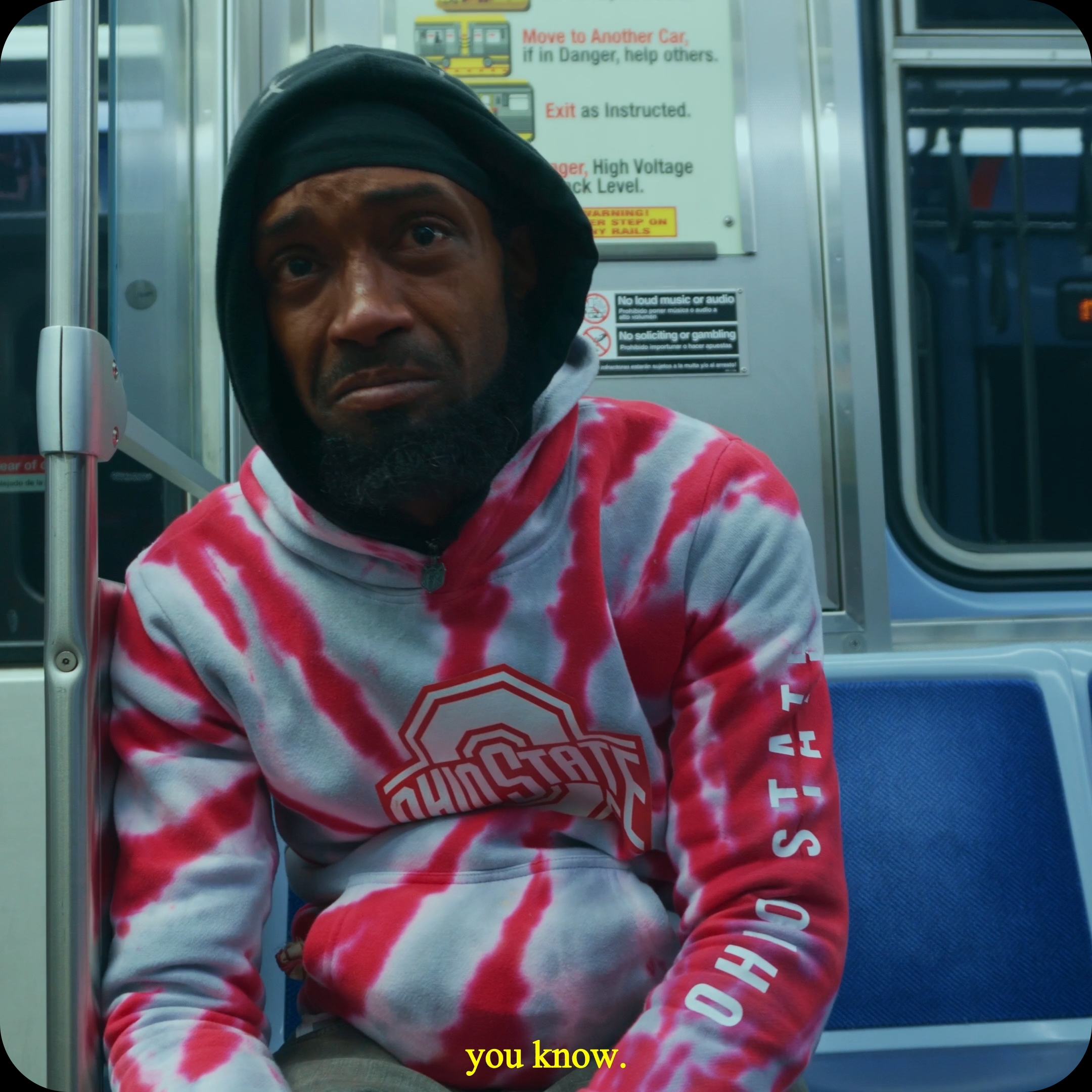
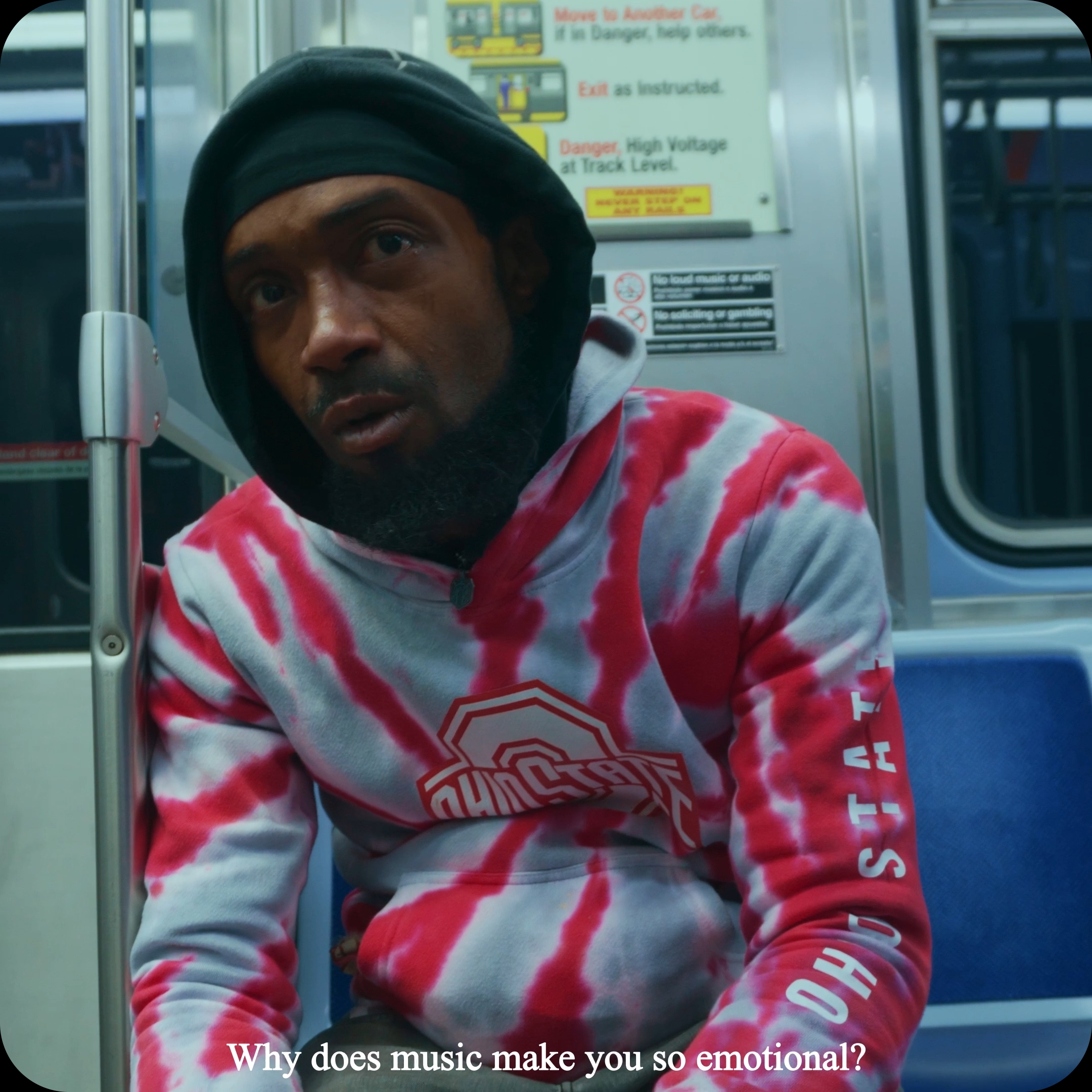
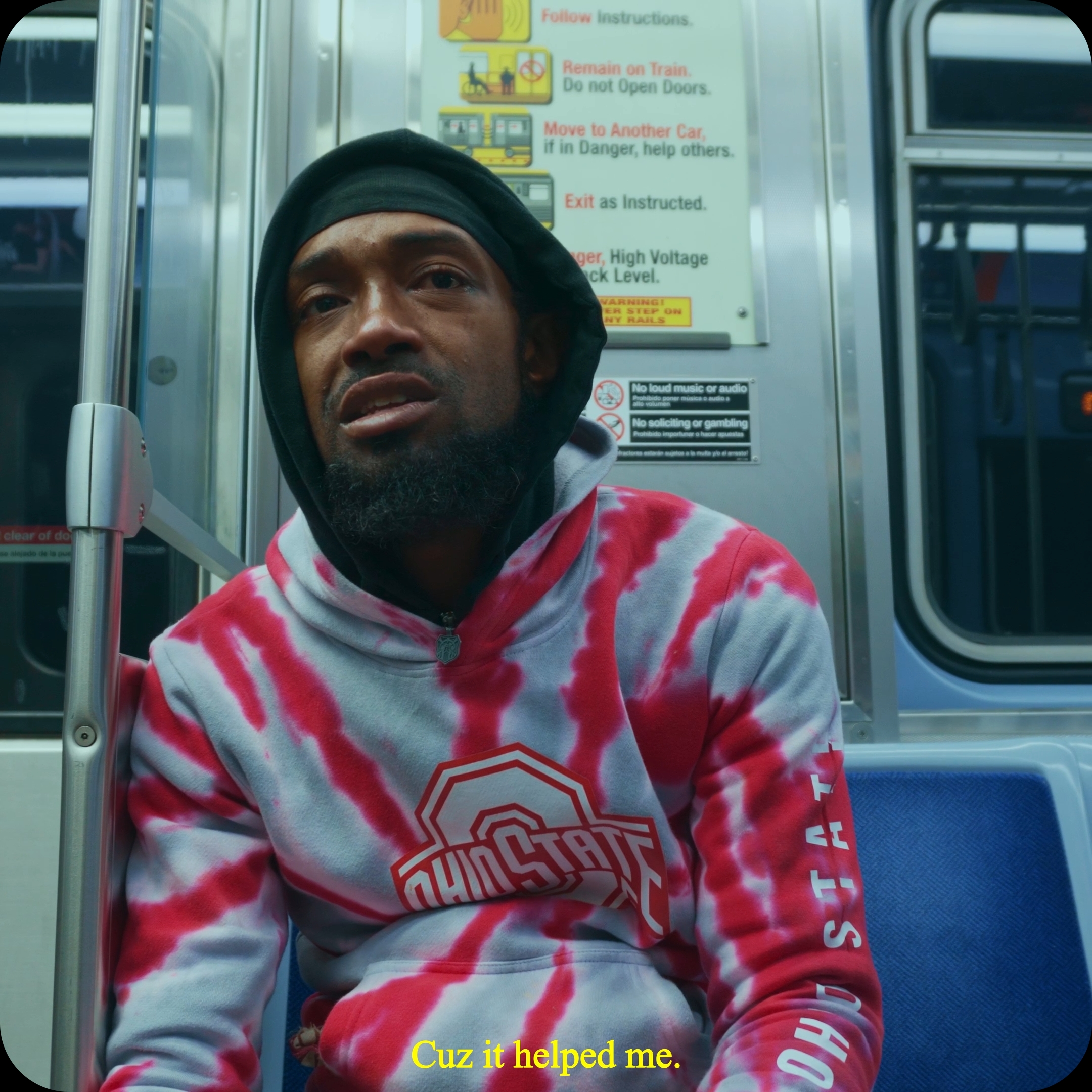
Most visual media people consume and discuss daily is no longer movies or TV shows, but social media. As cultural capital migrates from theaters and TVs to phones, laptops, and tablets, art made to reach and impact the masses must do the same.
Social media algorithms aren't some external force controlling what we see. They're a reflection of how people interact with content. People are the algorithm.
Making something spread isn't about overengineering for a system. It's about creating something that resonates. Make something people can't scroll away from — not through tricks or trends, but through art that makes people feel.
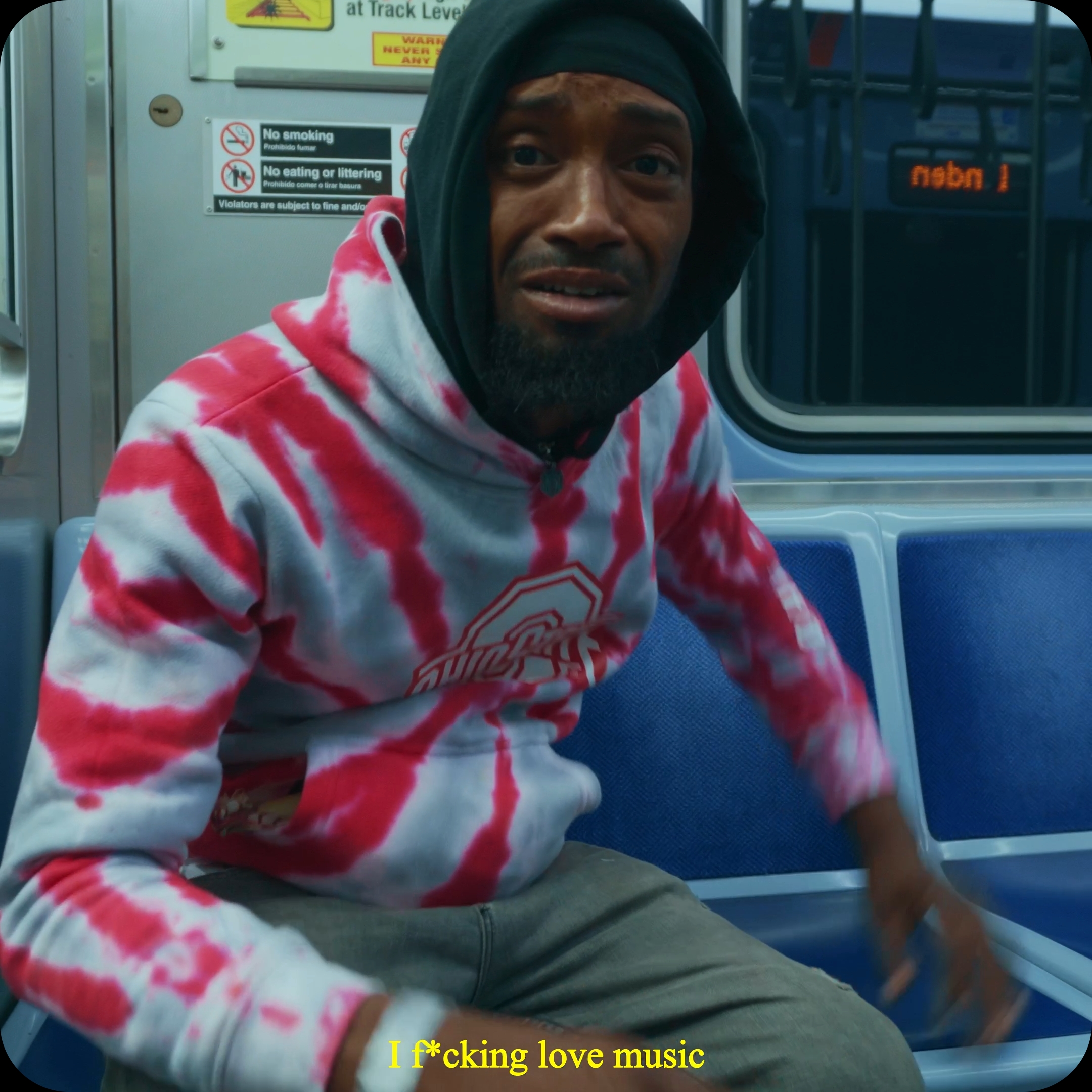
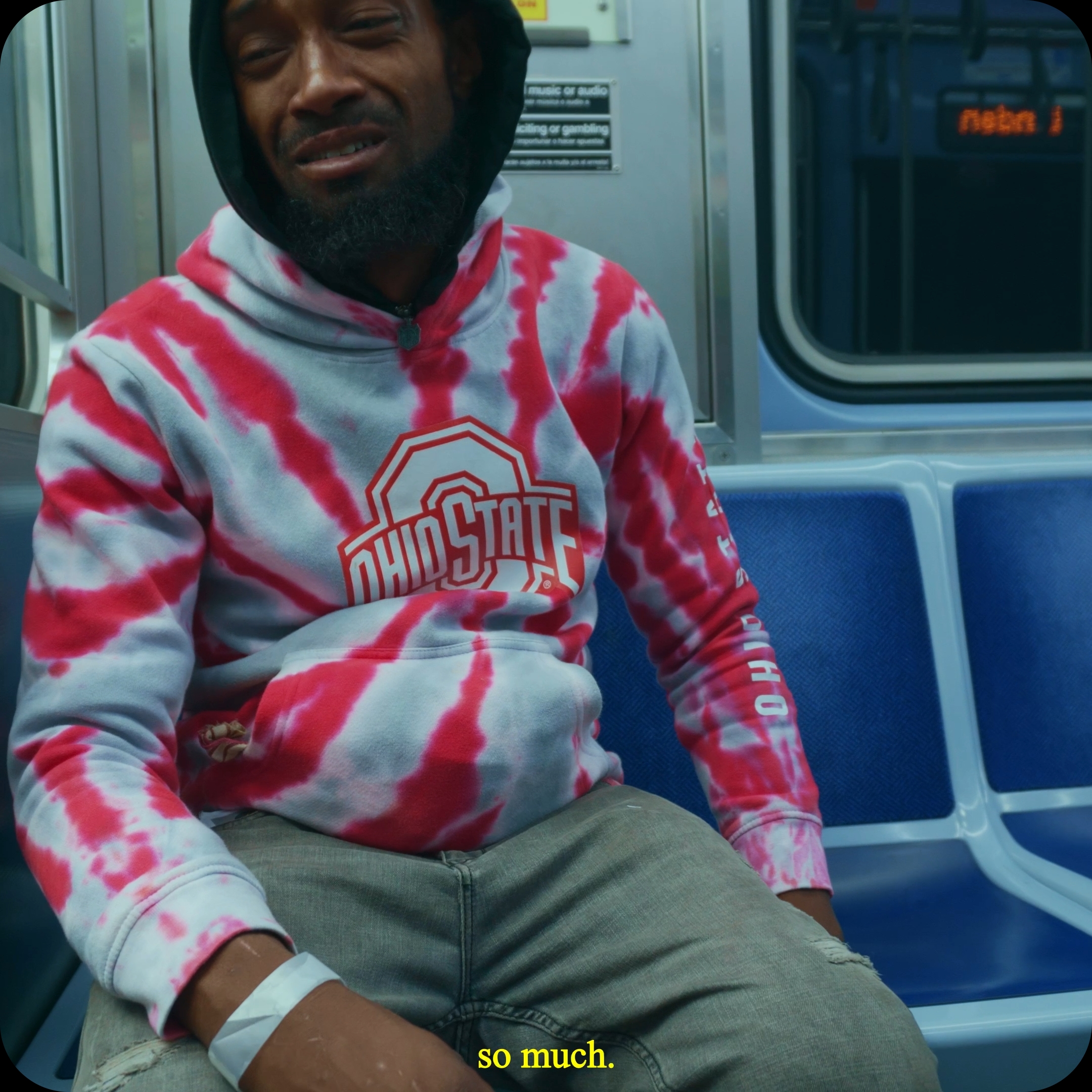
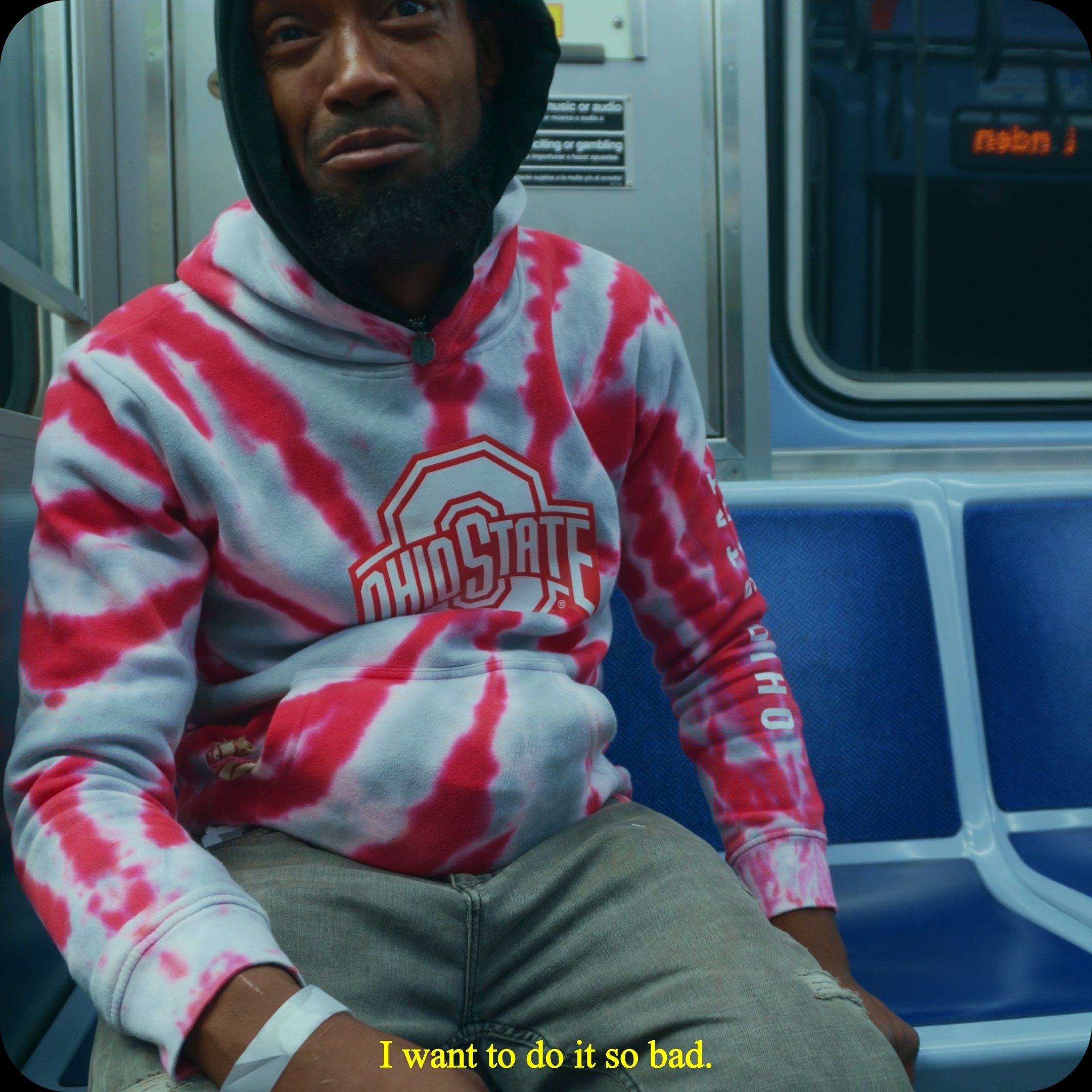
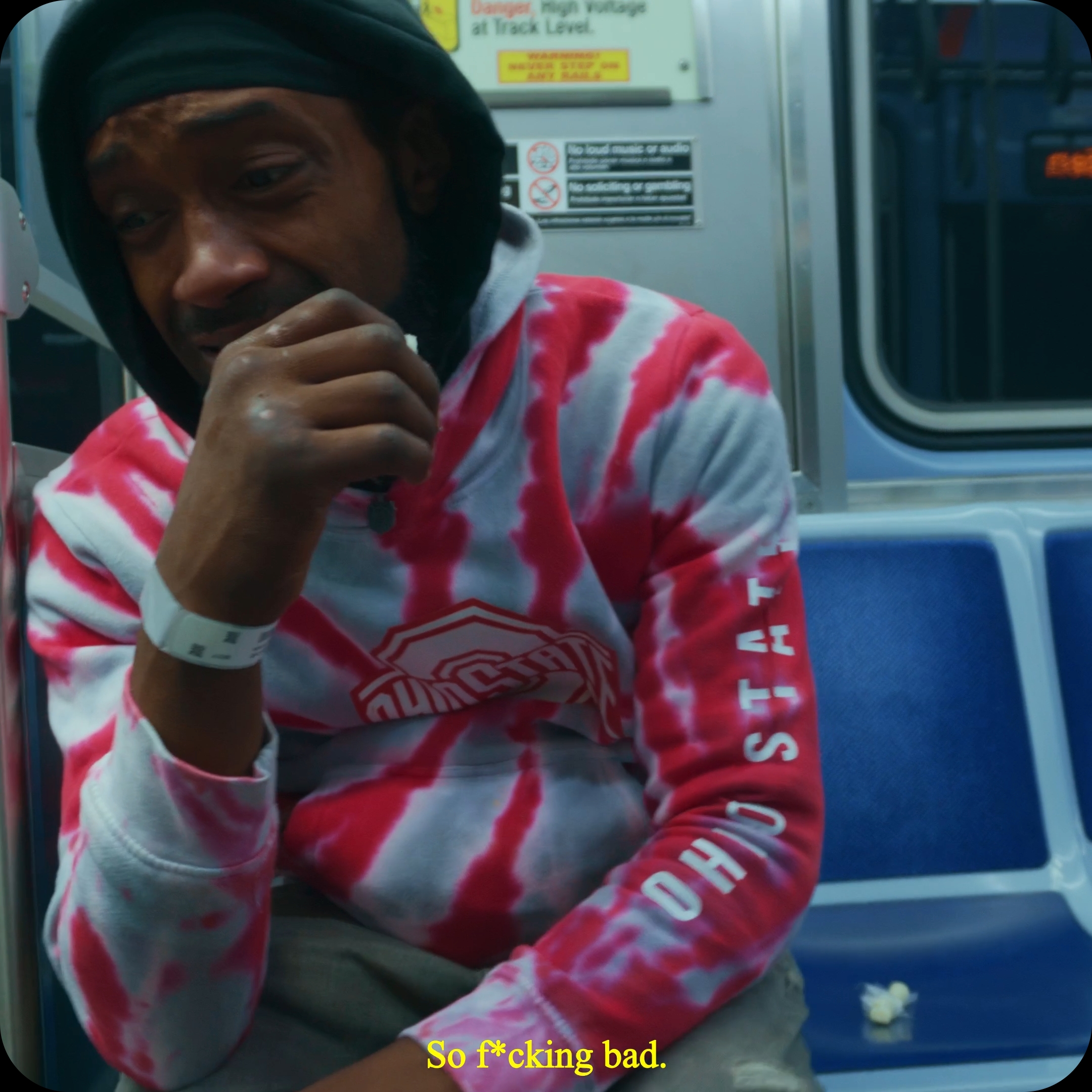
To me, social media is not just a means of promotion and distribution, but a new medium in itself. Through short clips between 20 seconds to 3 minutes, audiences experience fragments of other people's lives.
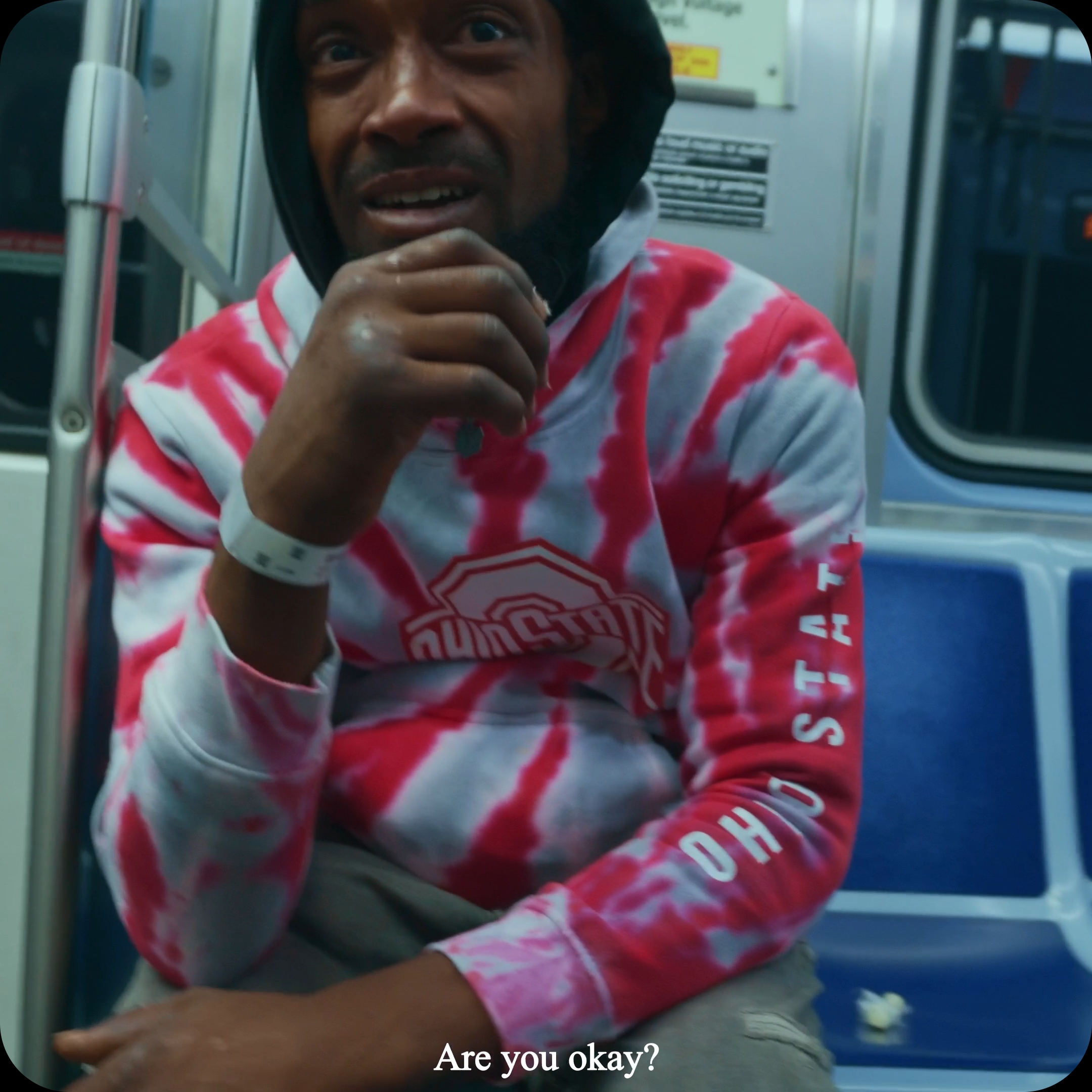
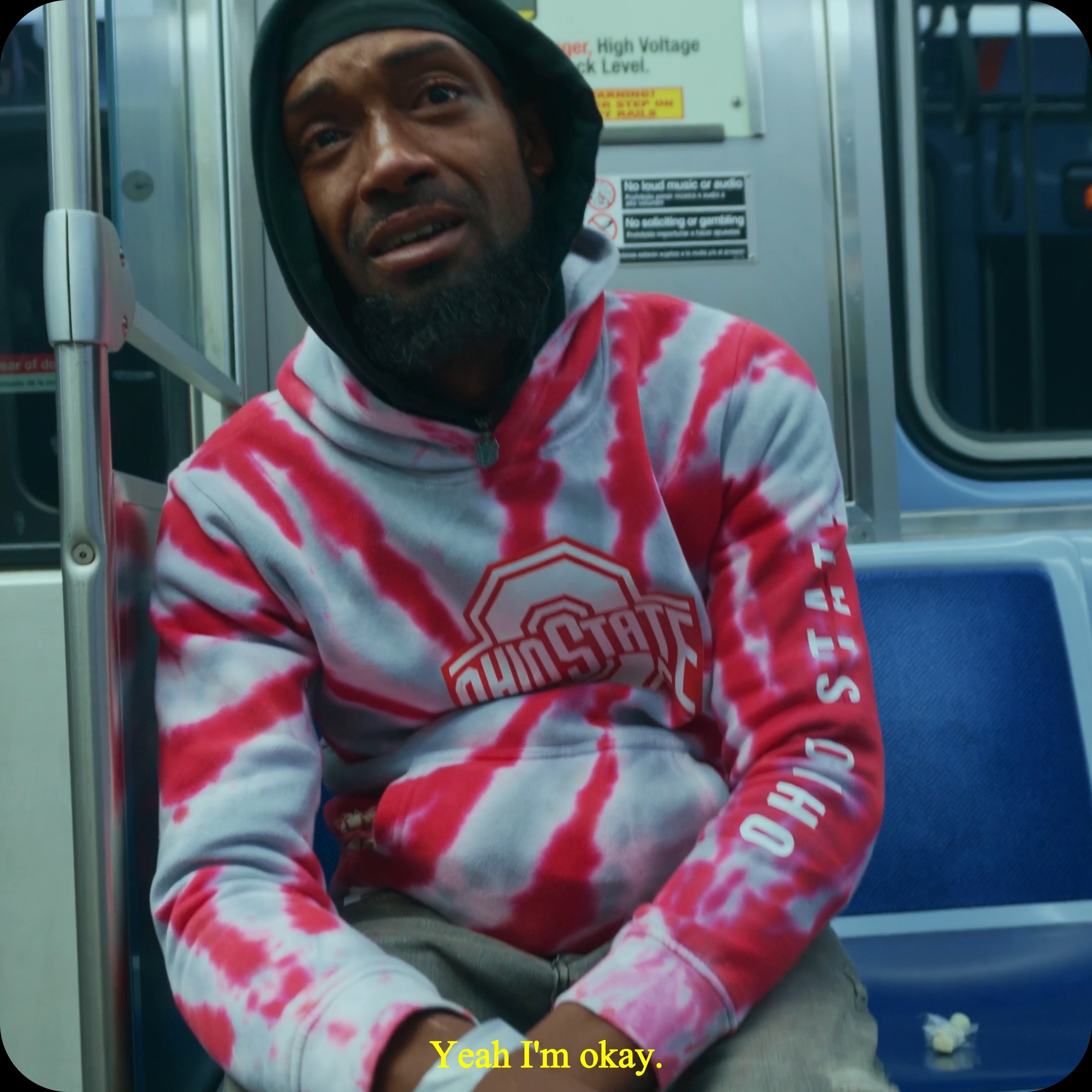
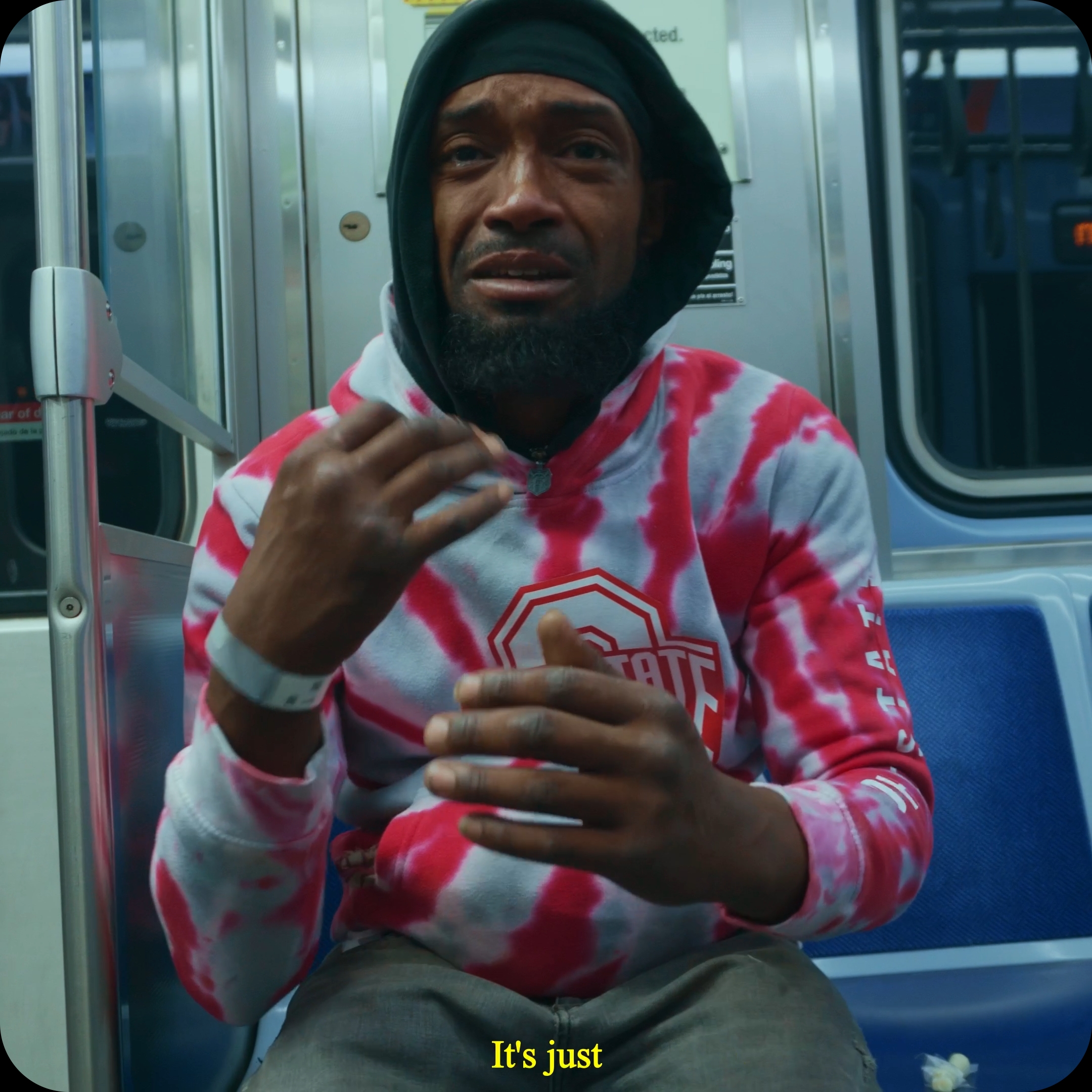
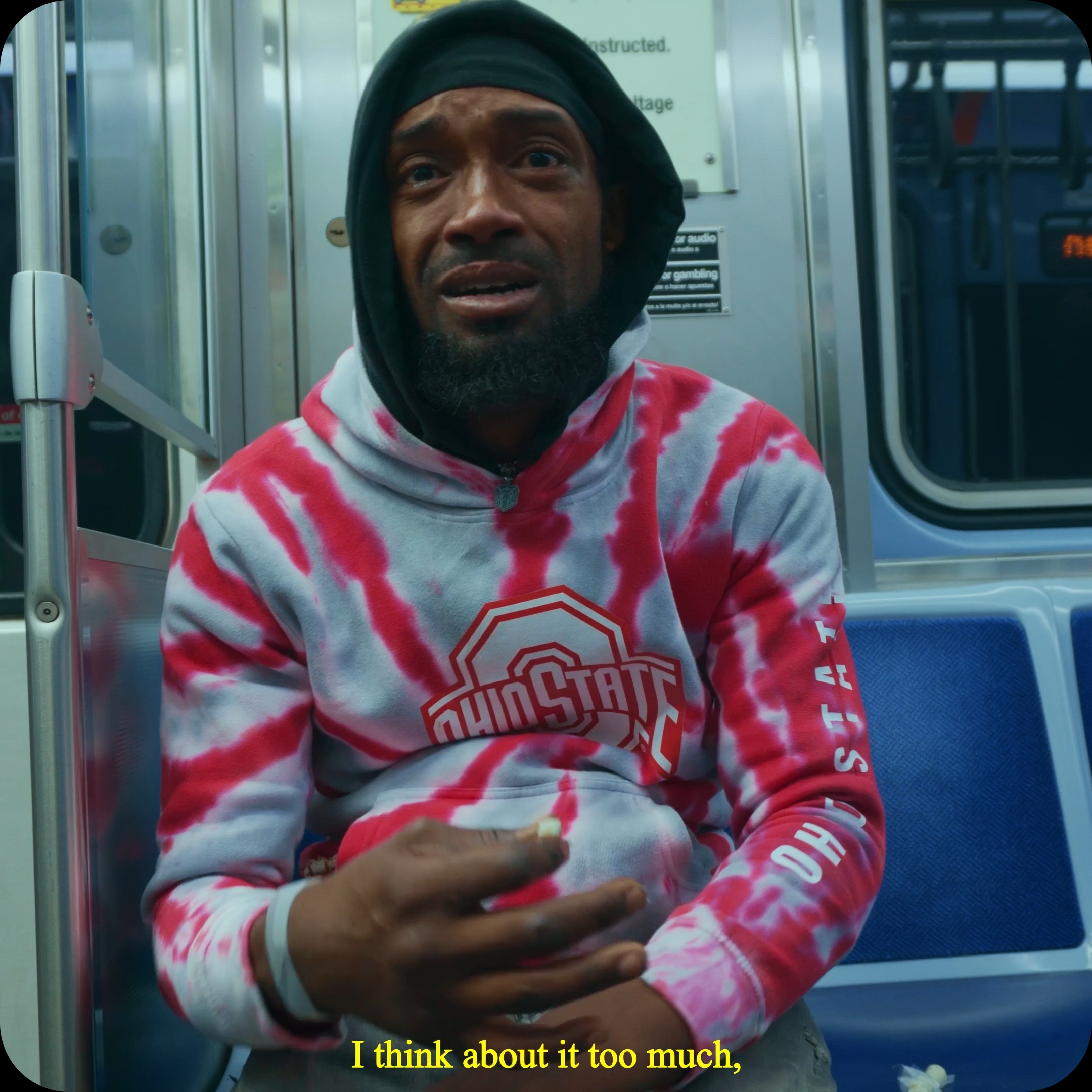
When I scroll through my Instagram, I see a gallery of faces arranged in a grid — strangers with no context, like a crowd of people. Clicking on one is like walking up and listening to what they have to say.
Placed next to each other, these moments put both our shared humanity and individuality into perspective: one moment you could be listening to a woman talk about the loss of her mother, and the next, watching a rapper talk about the birth of his child.
Over time, these fragments build. Separate pieces, viewed across days, begin to form a Portrait of who someone is.